What causes sea levels to rise?
Globally, there are two main drivers of sea level rise:
(1) The warming of the water in the ocean (called “thermal expansion”)
As our atmospheric temperatures continue to rise, so too do the temperatures of the surface waters in the ocean. When water warms up, it expands, which causes it to take up more volume than when it is cold. As the volume of the ocean expands, it pushes up higher along our coastlines raising our average sea level. Scientists estimate that thermal expansion has been causing sea levels to increase at a rate of approximately 1.4 mm/yr over the period 2006-2015. [Recent IPCC report]
(2) The melting of LAND ice
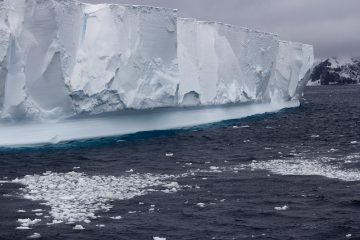
As temperatures warm, ice is melting all around the world. When ice that is currently stored on land (for example, the ice that makes up the Greenland and Antarctic ice sheets) melts and drains to the ocean, it adds new water to the oceans and causes them to rise. Scientists estimate that the melting of land ice has been adding approximately 1.8 mm/yr to our global sea levels between 2006-2015[1]. However, if we continue to warm our planet at the rate that we are today, the melting of land ice will have much more dramatic consequences for our sea levels.
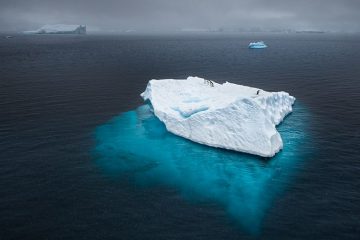
Many people think that the melting of sea ice (the ice that is floating on oceans around the world, like the ice found in many parts of the Arctic Ocean in the summer) will also increase sea levels. However, though melting this ice could have serious consequences for our wildlife and for our global climate, it won’t increase sea levels. This is because the ice that is floating on the ocean is heavy- and it already displaces a lot of water as it floats in the ocean (check out the image of the iceberg floating in the figure below!). When that ice melts, it essentially “fills the void” created when the ice melts with no change to the overall sea level.
[1] Statistics Taken from Recent IPCC Report found on their website.
0.77 ± 0.03 mm/yr from the loss of Greenland ice
0.43 ± 0.05 mm/yr from the loss of Antarctic ice
0.61 ± 0.08 mm/yr from the loss of other glacial ice around the world




0 Comments